
Oncology Massage
Compassionate, adaptable massage therapy designed to support comfort, relaxation, and connection during and after cancer care.
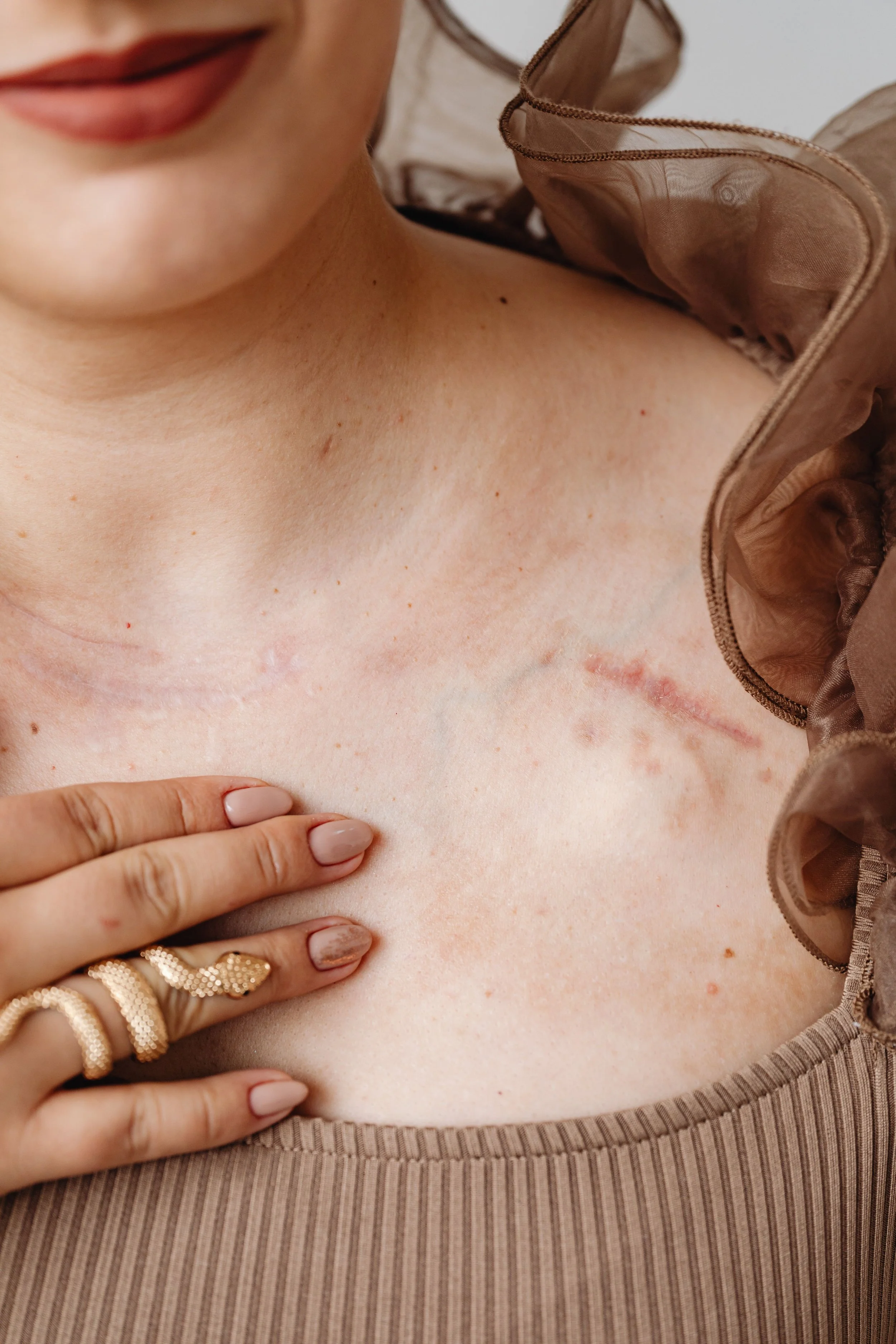
Thoughtful, specialized care for the changing body
Cancer can change the way you experience your body.
Surgery, chemotherapy, radiation, hormonal therapy, and other treatments can bring pain, fatigue, swelling, neuropathy, scars, changes in mobility, and a body that may feel unfamiliar.
Oncology massage offers a place to slow down and receive care that takes all of this into account.
It is more than simply a gentler massage. It requires knowledge, careful assessment, and critical thinking to determine what will be both appropriate and genuinely helpful for your body at a particular moment in your cancer experience.
The goal isn't simply to do less.
It is to thoughtfully determine what your body can benefit from today—and how to provide that care.
Before, During & After Treatment
An Integrative Approach
Massage can be supportive throughout the cancer experience.
Before treatment
Massage can offer a place to rest, ease tension, and reconnect with your body during an uncertain time. It may also provide an opportunity to prepare physically and emotionally for surgery or other treatment.
During treatment
Your body's needs may change from one week to the next. Pressure, positioning, duration, and areas of focus can all be adapted around treatment, symptoms, medications, surgical sites, radiation changes, neuropathy, or fatigue.
Sometimes the most helpful thing is gentle touch and rest. Other times, there are ways to work more specifically with discomfort, mobility, or other changes.
After treatment
Massage can become part of recovery and survivorship. We may address muscular tension, post-surgical changes, scar tissue, swelling, or comfortable movement. Just as importantly, massage can provide an opportunity to reconnect with a body that has changed through treatment.
Recovery doesn't necessarily end when treatment does.
Care That Changes With You
There is no standard oncology massage.
What feels supportive before surgery may be very different from what your body needs afterward. A session during chemotherapy may look different again.
That's why I don't follow a predetermined routine.
I listen. I assess. I adapt.
Sometimes that means focused work around a scar or attention to swelling. Sometimes it means lymphatic work, gentle movement, or addressing muscular tension. And sometimes the most therapeutic thing we can do is simply create a quiet place for you to rest.
The purpose isn't to force your body back to where it was before cancer. It is to support your relationship with the body you have now—with greater comfort, awareness, mobility, and confidence.
Making Space for Survivorship
Cancer treatment can become an enormous part of life.
Survivorship can be quieter, but that doesn't necessarily mean the effects of treatment disappear.
Your body may still be adapting. You may still be learning how to move differently, live with a scar, understand new sensations, manage fatigue, or feel at home in a body that has changed.
Massage can't change what you've been through. But it can offer a place to pause, reconnect, and care for yourself as a whole person—not simply as a patient.
Sometimes that looks like symptom relief. Sometimes it looks like better movement. Sometimes it is simply an hour of being cared for without anything being asked of you. All of those things matter.
You are welcome here, exactly as you are.
If you are preparing for treatment, currently receiving treatment, recovering from surgery, or navigating survivorship, we can talk about whether oncology massage is appropriate for you and what kind of care might be most supportive.
My work brings together several areas of specialized training and experience:
Oncology Massage
Understanding how cancer and its treatments affect the body, and how massage can be adapted throughout the cancer experience.Hospital-Based Massage
Experience working within the complexity of medical care and understanding how massage can thoughtfully complement treatment.Manual Lymphatic Drainage
Specialized training in gentle lymphatic techniques and a deeper understanding of swelling and lymphatic changes following surgery or cancer treatment.Scar Tissue Work
Continuing education in working with scars and the changes they can create in sensation, mobility, and comfort.Cancer Exercise & Somatic Movement
As a Cancer Exercise Specialist with an MFA in Dance and a background in somatic movement, I bring an additional perspective on strength, mobility, body awareness, and adaptation.
These aren't separate pieces of my work. They inform one another.
A scar can change movement. Changes in movement can create tension. Changes in the lymphatic system can affect comfort and mobility. Neuropathy can change the way you experience your body.
The body doesn't experience these things in separate categories, and your care doesn't have to either.